Updated October 2026 · specs checked Oct 10, 2026.
Quick Answer
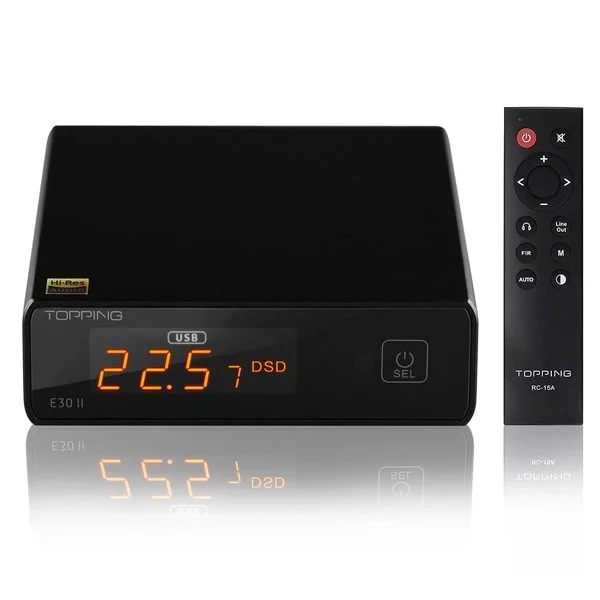
The E30 II is a standalone DAC: digital in, line-level analog out. It uses two AKM AK4493S chips, takes USB, optical and coaxial inputs, and comes with a remote. It has no headphone output, so it’s for people building a DAC + amp stack.
Dual AK4493S, three inputs, remote and display. The flexible budget DAC for a separates stack.
The all-Schiit alternative at $149: ES9018 with Schiit's Mesh filter, Unison 384 USB, same footprint as the Magni.
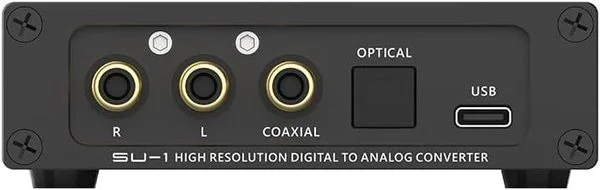
The simpler, smaller option with a single AK4493S and RCA out.
Who should NOT buy the E30 II: anyone who wants one box. If you don’t already own an amp, a DAC/amp combo such as the FiiO K11 R2R or Topping DX5 II is simpler. See our best DAC/amp combos under $200 .
Specs
| Topping E30 II | |
|---|---|
| DAC | 2 × AKM AK4493S |
| USB receiver | XMOS XU208 |
| Inputs | USB-B, optical, coaxial |
| Formats (USB) | PCM to 32-bit/768 kHz, DSD512 native |
| Formats (optical/coax) | PCM to 24-bit/192 kHz |
| Output | RCA, 2.1 V RMS at 0 dBFS |
| Volume | Digital, −99 to 0 dB via remote |
| Power | USB |
Figures are Topping’s published specs as listed by retailers.
Build and Design
The E30 II is a compact aluminium box with a small display on the front showing the input and sample rate. The back has USB, optical and coaxial inputs and a pair of RCA outputs. The remote changes inputs and volume. With volume engaged, it can drive powered speakers directly as a simple preamp.
USB Power Note
The E30 II runs from USB power. With most computers that’s fine. With some desktop PCs, owners report hum or noise through the USB connection. If that happens, a powered USB hub or a separate 5 V supply usually solves it.
Sound and Measurements
Topping’s published noise and distortion figures for the E30 II are far below audibility, and it’s widely treated in the measurement community as a transparent DAC. Owners sometimes describe AKM-based DACs as a touch smoother than ESS-based ones, but at this level the amp and headphones decide what you hear.
The Budget Stack
The E30 II’s natural partners are clean, affordable amps:
Rated at 2.5 W into 32Ω and 415 mW into 300Ω, three gain settings including −10 dB for IEMs. $119.
About 2.6 W into 32Ω, compact, sold direct by JDS Labs for about $129.
Add an HD 600 or DT 990 Pro and you have a setup most listeners never need to replace. Our pairing guides go headphone by headphone: HD 600 , HD 650 , DT 990 Pro and HE400SE .
How It Compares
- vs Schiit Modi 5 ($149): remote, display and volume on the E30 II; matching Schiit stack and Unison 384 USB on the Modi. See Schiit Modi vs Topping E30 .
- vs SMSL SU-1: two AK4493S chips versus one, plus a remote and display. See the SU-1 review .
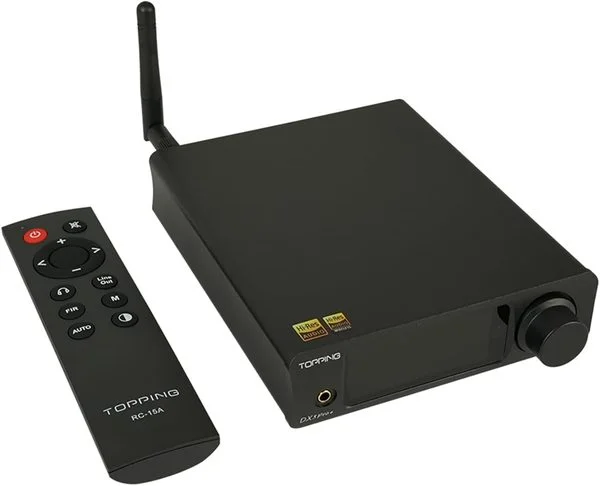
- vs Topping DX3 Pro+: the DX3 Pro+ added a headphone amp and Bluetooth, but retailers now list it as discontinued. See DX3 Pro+ vs E30 II .
Verdict
The E30 II is the flexible budget DAC: two AKM chips, three inputs and a remote, in a box small enough to sit under any amp. Buy it if you’re building a stack. If you want one box, look at a combo instead. More options in our best DACs under $200 .