Research-based review, updated October 2026 · prices checked Oct 10, 2026. AmperHeads doesn’t bench-test or audition gear: this page combines published specs, our power math, third-party measurements and long-running owner reports. How we research and rate gear .
The Sundara’s Position in the Market
The HiFiMAN Sundara has a specific place in the headphone world: it’s the usual first step into serious planar magnetic audio, where the driver starts to pull clearly ahead of dynamic designs at a similar price.
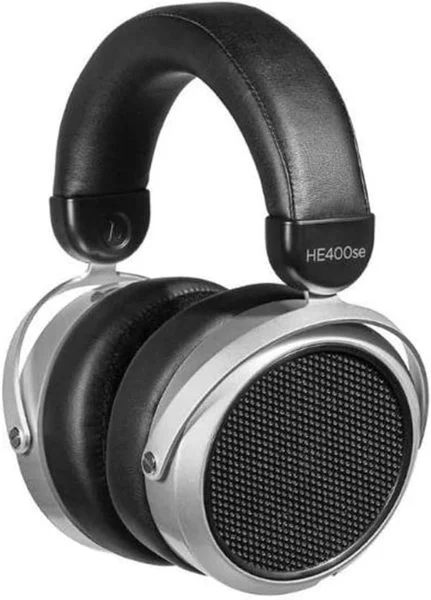
Below it sits the HE400SE , which gives a taste of planar strengths while compromising on refinement and extension. The Sundara gives up less. Published measurements show deeper, flatter bass and better treble extension, and owners consistently describe it as the more detailed and refined of the two.
Pricing is the moving part. HiFiMAN discounts the Sundara heavily and often: it sold for $229 in a June 2025 deal, and refurbished units went for about $122 in October 2025. I couldn’t verify a current 2026 street price, so check the live price before you buy. At those deal prices it is excellent value; at full list, the case is weaker.
It isn’t perfect. The build lags Sennheiser and Beyerdynamic, it needs a proper amp, and owners report some sharpness in the treble on bright recordings.
Design and Build
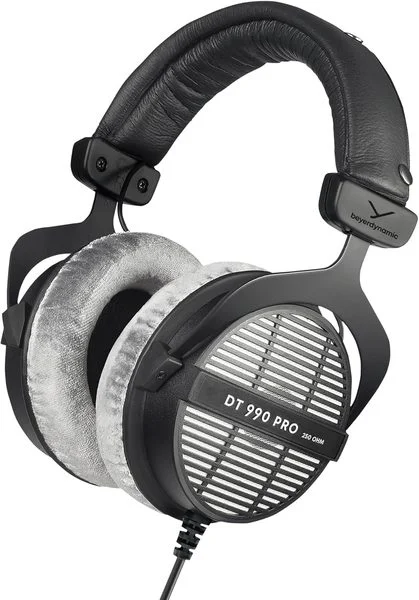
HiFiMAN’s build quality comes up in every discussion of its headphones, and the Sundara doesn’t fully escape it. The earcup assemblies use plastic where Beyerdynamic uses metal, the stock cable has historically been merely adequate, and the early headband had a known failure point at the swivel. HiFiMAN revised the headband, and retailers list a newer version with improved pads and cable.
Fit gets better reviews. Owners describe it as comfortable across a wide range of head sizes, with large oval pads and light clamping force (some find it too light and say it feels loose). Weight is on the heavy side but spread well.
Pad swaps are popular. Many owners try aftermarket pads for a different fit and tonal balance, and pad changes do shift the measured response, so treat that as a tuning change rather than a free upgrade.
Sound: What Measurements and Owners Agree On
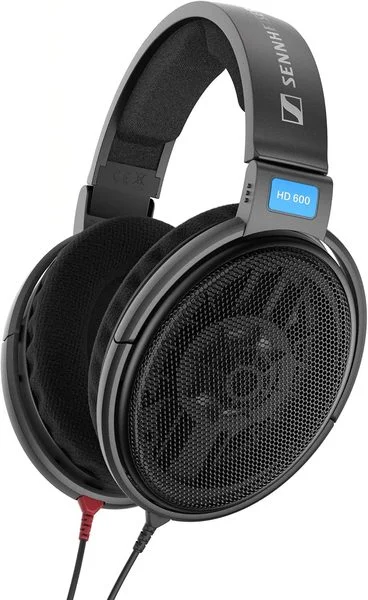
Bass: This is where published measurements make the Sundara’s case. Bass extends deep without the sub-bass roll-off of open dynamic headphones like the HD 600 and HD 650, and distortion stays low. Owners describe it as textured and controlled, with real weight on acoustic bass and electronic music.
Midrange: Roughly neutral, without the warmth of the Sennheiser house sound. Owners coming from warmer headphones often describe it as a little analytical at first. Vocals and acoustic instruments are generally reported as clear and accurate rather than rich.
Treble: Neutral to slightly bright, with good extension. Owner reports are mostly positive, describing it as airy and detailed, but a recurring complaint is sharpness on compressed modern pop and some bright recordings. If you’re treble-sensitive, keep that in mind.
Soundstage and imaging: A consistent strength in owner reports. The Sundara is widely described as having a wide stage with precise imaging, more open than the HD 600.
How It Scales With Amplification
Using HiFiMAN’s published 37Ω and 94 dB sensitivity (taken as per milliwatt), 110 dB peaks need about 40 mW, around 1.2 V RMS and 33 mA. That’s well within the reach of any decent desktop amp, but beyond what many phones and basic dongles deliver cleanly.
My picks for it today:
- Topping DX5 II (~$299): DAC and amp in one box with power to spare and balanced output. This is our current default pick for the Sundara. See today's price for the Topping DX5 II on Amazon ↗
- FiiO K11 R2R (~$170): the budget route, with enough power for this load.
- Schiit Asgard X ($399): if you want a separate amp and plan to keep it through future headphone upgrades.
Amps you’ll see recommended in older Sundara threads (the Schiit Asgard 3 and Drop THX AAA 789) are no longer sold new; the list above covers the same tiers with current products.
Who Should Buy the Sundara
The Sundara suits the listener who wants planar bass and detail without spending flagship money, especially someone coming from a DT 990 Pro or HD 600 who wants a clearly different presentation.
It’s not for portable use, it doesn’t isolate, and it’s not for anyone without a desktop amplifier. If you’re treble-sensitive and love warm, smooth tuning, the HD 650 is the safer choice.
For the right listener with the right amp, and bought at a discount, it remains one of the most satisfying headphones in its class.
Looking for amp recommendations? See our complete Best Amplifier for HiFiMAN Sundara for budget to high-end pairings with this headphone. Moving up to the Edition XS? The best amp for the HiFiMAN Edition XS guide shows why the same amps still work.
Related: HE400SE vs Sundara · HiFiMAN HE400SE review · Sennheiser HD 650 review · Best planar headphones under $300