Research-based review, updated October 2026 · prices checked Oct 10, 2026. AmperHeads doesn’t bench-test or audition gear: this page combines published specs, our power math, third-party measurements and long-running owner reports. How we research and rate gear .
Still Relevant After 29 Years?
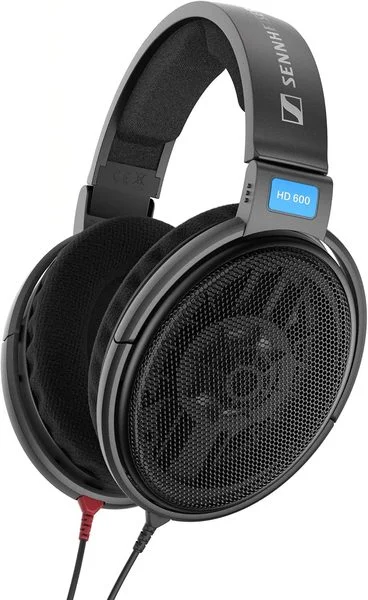
Sennheiser released the HD 600 in 1997 as a professional reference headphone: accurate, neutral, built for engineers and serious listeners. Nearly three decades later it is still in the lineup, still the first answer on r/headphones and Head-Fi when someone asks for the best open-back under $500, and still the headphone other reviews measure new models against.
That longevity isn’t luck. Published frequency-response measurements show a midrange that tracks close to neutral, with no big bass shelf and no sharp treble spikes. Owners describe the result in remarkably consistent terms: natural, honest, slightly warm, easy to listen to for hours.
The price has moved, though. Sennheiser US now lists the HD 600 at $499.95, and it regularly sells for about $350 (checked October 2026). Buy it on sale.
Design and Build Quality
The HD 600 has a distinctive look: a blue-grey marbled finish on the earcups that Sennheiser has kept through every revision. Some people love it; some find it dated. Under the cosmetics, the frame mixes metal and plastic, the velour pads are replaceable, and the cable, pads, headband cushion and grilles are all user-serviceable with genuine Sennheiser parts. That serviceability is a big part of why owners report keeping a single pair for 10–15 years.
On fit, owner consensus is that the clamp is firm when new and loosens with use, and that the HD 600 is comfortable for long sessions once it has. Owners with larger heads sometimes report the initial clamp as tight for the first few weeks.
The stock cable is a single-ended cable with Sennheiser’s two-pin connectors on the earcups. It’s fine for desktop use, and aftermarket balanced cables are widely available and inexpensive if your amp has a balanced output.
Sound: What the Measurements and Owners Say
The midrange is the story. Published FR graphs show a smooth, near-neutral midrange, and owners consistently single out vocals, acoustic guitar, piano and strings as where the HD 600 stands out. Other headphones tend to sound either pushed-forward or recessed in comparison.
The overall balance sits slightly warm of neutral: a little fullness in the lower midrange keeps it from sounding thin or clinical. The treble is controlled and free of the sharp peaks that make some open-backs fatiguing, which matches the common owner report that it is easy to listen to for hours.
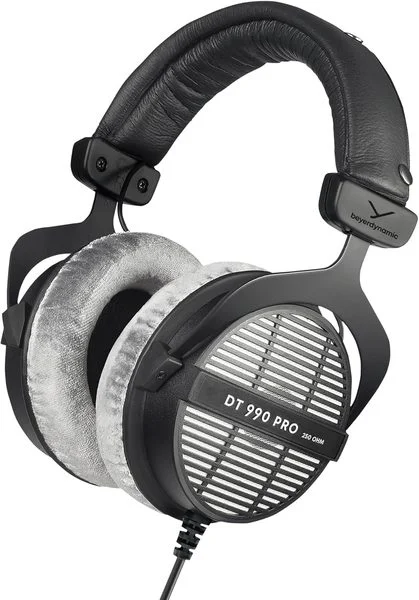
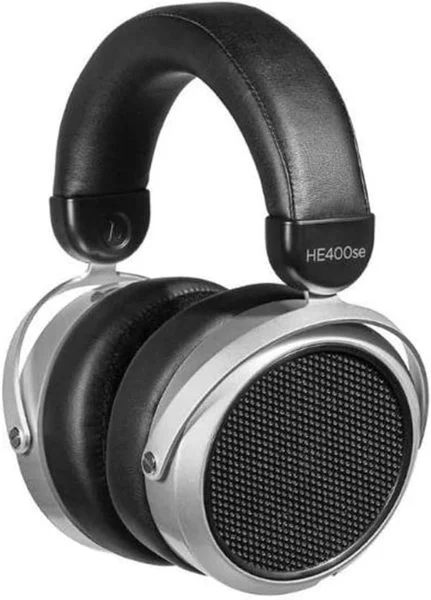
The trade-offs are at the extremes. Like most open-back dynamic headphones, the HD 600 rolls off in the sub-bass, so the lowest notes in electronic music and hip-hop carry less weight than on a planar like the HiFiMAN Sundara . Bass guitar and kick drums keep their definition; deep rumble is reduced. Some listeners also describe the top octave as soft next to brighter headphones such as the DT 990 Pro. Most owners count that as a feature.
Imaging and Soundstage
Owner consensus is that the HD 600’s stage is moderate: not as wide as the AKG K712 or DT 990 Pro, but with precise, believable placement on well-recorded material. It’s usually described as “the band in front of you” rather than “sound all around you”: coherent and focused rather than enveloping.
Amplifier Requirements
The HD 600 is a 300Ω headphone, and that matters more than most reviews admit. It needs voltage. Most phone and laptop jacks, and many cheap dongles, can’t swing enough to hit loud peaks cleanly, and owners consistently describe the HD 600 from those sources as thin, compressed and underwhelming.
The good news is that the bar for “enough” is low. Any current desktop amp clears the HD 600’s requirement with plenty of headroom:
- FiiO K11 R2R (~$170): our default pick, because it includes the DAC as well as an amp with plenty of voltage for 300Ω.
- Schiit Magni ($119, $199 with DAC card): the classic entry amp; Schiit sells it direct.
- JDS Labs Atom Amp 2 (~$129): the current version of the old Atom Amp+, same idea.
Pricier amps such as the Schiit Asgard X ($399) or the Jotunheim 3 add features and headroom, but the power math says the big jump is from “laptop jack” to “any decent desktop amp”. After that, upgrades are about features and taste, not about finally driving the headphone. The full tiered list, with the voltage math, is in the best amp for the HD 600 guide.
See today's price for the FiiO K11 R2R on Amazon ↗Value for Money
At about $350 on sale, the HD 600 is competing with headphones that cost far more. Whether those sound better depends on what you value: if you want deep sub-bass, a big stage or a more exciting tuning, there are better choices, many of them more expensive. If you want the most natural-sounding neutral headphone under $500, the measurements and the owners keep pointing back here.
At the full $499.95 list price, the value case weakens. The HD 650
on sale ($380) or the HD 660S2
on sale ($480) become serious alternatives.
Final Verdict
The Sennheiser HD 600 has earned its reputation. It isn’t the most technically impressive headphone, the most exciting, or the deepest in the bass. What it has, per both the graphs and decades of owners, is a midrange that sounds natural on almost every genre, a tuning that rarely tires anyone out, and a parts supply that means a pair bought today can still be running in 20 years. Buy it on sale and give it a proper amp.
See today's price for the Sennheiser HD 600 on Amazon ↗Looking for amp recommendations? See our complete Best Amplifier for Sennheiser HD 600 for budget to high-end pairings with the power math.
Related: HD 600 vs HD 650 · HD 600 vs HD 660S2 · HD 650 review · Do I need a headphone amp?