Research-based review, updated October 2026 · prices checked Oct 10, 2026. AmperHeads doesn’t bench-test or audition gear: this page combines published specs, our power math, third-party measurements and long-running owner reports. How we research and rate gear .
The Headphone Forums Called It Endgame — Were They Right?
The Sennheiser HD 650 has occupied a unique position in audiophile culture for over 20 years. It is not the most technically impressive headphone. It does not have the widest soundstage, the deepest bass, or the most extended treble. What it has, by the account of two decades of owners, is a sound that makes people stop analysing and start listening.
The HD 650 is also Sennheiser’s most divisive product. On one side: audiophiles who call it endgame, who pair it with a Bottlehead Crack tube amplifier and claim nothing at any price moves them more. On the other: listeners who find it too dark, too veiled, too comfortable in a way that feels dishonest. This review aims to tell you which camp you’re likely to fall into.
Design and Build Quality
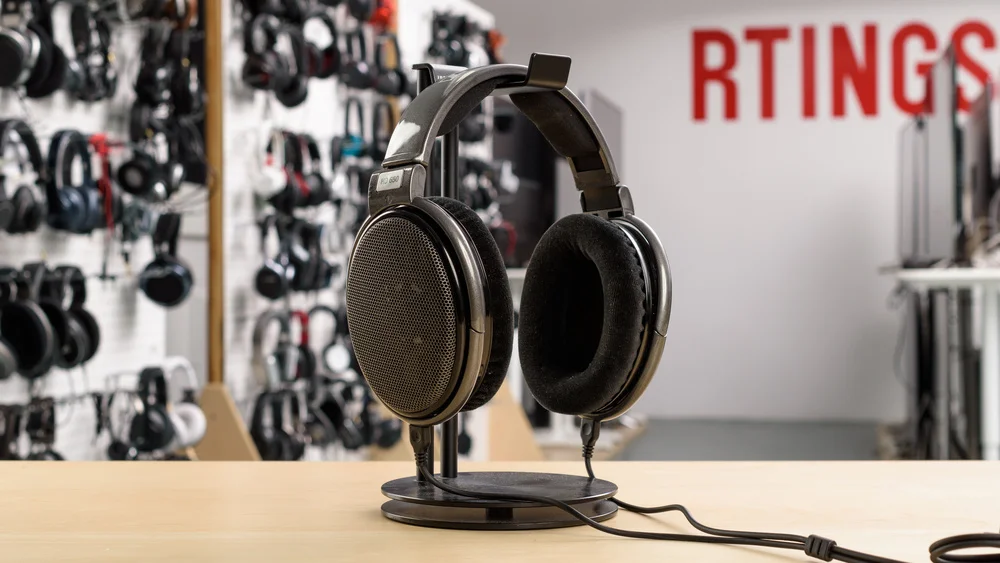
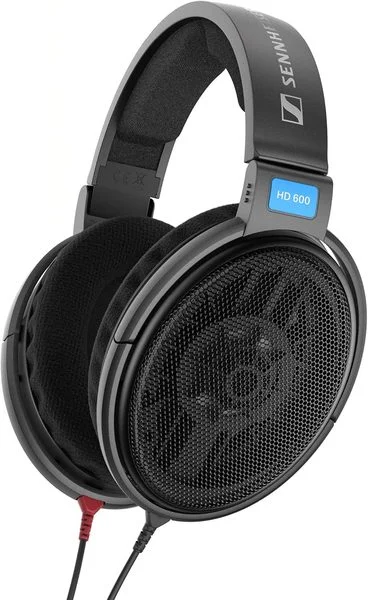
The HD 650 uses a slightly updated version of the same physical platform as the HD 600: a circumaural open-back design with velour ear pads, a lightweight plastic and metal frame, and the same dual-sided detachable cable with Sennheiser’s proprietary two-pin connector. The colour scheme is a dark charcoal with a subtle blue tint — subtler than the HD 600’s blue-grey marble.
Every structural part is user-replaceable: headband cushion, ear pads, grilles, and cable. Genuine Sennheiser replacement parts are widely available for both models. This is a headphone designed for decades of use, not planned obsolescence.
Owners describe the fit in the usual Sennheiser terms: a firm initial clamp that softens with use, even pressure across the headband, and earcups deep enough to keep the driver off most ears. Most users report the HD 650 as one of the most comfortable headphones at extended use — the 260g weight is low enough to forget about.
Sound Quality
The notes below summarise published frequency-response measurements and long-running owner consensus on r/headphones and Head-Fi, not our own listening.
Bass
The HD 650’s bass sits at the centre of what it does differently from the HD 600. Measurements show a mid-bass lift over the HD 600, and owners describe more warmth and weight in the low end. This gives bass guitar and kick drums a rounded, warm weight that many find more satisfying than the HD 600’s slightly leaner presentation.
In the sub-bass, both 300Ω Sennheisers roll off. This is a deliberate choice: the drivers are optimised for musical bass reproduction, not infrasonic extension. Electronic music fans who need physical slam will be disappointed. Owners consistently say acoustic and electric bass sound natural and well-weighted.
Midrange
The midrange is the HD 650’s defining characteristic. Owners describe it as full and warm, with cello, baritone vocals, acoustic guitar body and brass carrying a weight and texture that many find more satisfying than leaner headphones. The upper midrange is slightly pulled back compared to the HD 600, which reduces the analytical, “look at that detail” quality in favour of a more cohesive musical whole.
This is the choice you are making when you choose the HD 650 over the HD 600: you get a more emotionally satisfying midrange at the cost of some upper-register resolution. Many people who have owned both end up keeping the HD 650.
Treble
The HD 650’s treble is the source of the veil controversy. Measurements show the upper treble rolled off relative to brighter headphones, and owners describe less sparkle and air. Cymbal shimmer, air, and the finest upper-frequency texture are softer here than on the DT 990 Pro, HD 800S, or even the HD 600.
Whether this is a flaw depends entirely on what you listen to and how. For poorly mastered recordings with aggressive treble, the HD 650’s softening is a relief. For classical music where treble extension conveys the air of the concert hall, it limits the headphone somewhat. For jazz, rock, vocals, and most contemporary music, it is simply not a problem.
Amplifier Pairing
The HD 650 needs real voltage at 300Ω, and owners consistently describe a big difference between weak and proper sources. The power math says the decisive step is the first one:
- Phone/laptop jack: Owners describe it as thin, dark and compressed. Do not buy the HD 650 if this is your only source.
- FiiO K11 R2R (
$170) / Schiit Magni ($119) / JDS Labs Atom Amp 2 ($129): Plenty of voltage for 300Ω with large headroom. This is the minimum recommended pairing, and the K11 R2R includes the DAC. - Topping DX5 II (~$299) / Schiit Asgard X ($399): More features, balanced output on the DX5 II, and more headroom than the HD 650 will ever use. Worth it for the features, not because the cheaper amps fall short.
- OTL tube amplifiers (Schiit Valhalla 3, Bottlehead Crack kit): Output-transformerless tube amps suit high-impedance Sennheisers, and the HD 650 with a tube amp is one of the most celebrated pairings on Head-Fi. Warmth on warmth sounds like it should be too much; owners overwhelmingly say it isn’t.
Comparison with Nearby Competitors
vs HD 600: The HD 650 is warmer, richer, and more forgiving. The HD 600 is more neutral, slightly more detailed, and more accurate. Both are exceptional.
vs DT 990 Pro: The HD 650 is darker, more intimate, and less fatiguing. The DT 990 Pro has more bass slam, wider soundstage, and prominent treble. For long sessions: HD 650. For gaming and orchestral music: DT 990 Pro.
vs HiFiMAN Sundara: The Sundara is more technically capable — better imaging, more extended treble, flatter response. Many owners still find the HD 650 more musically satisfying. Different philosophies.
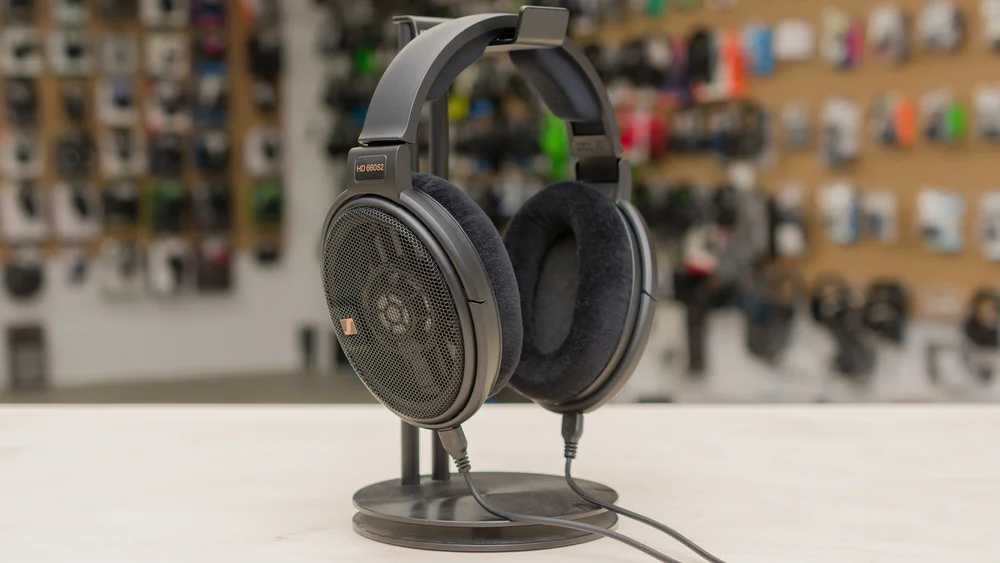
vs HD 660S2: Sennheiser’s newer 300Ω model (~$480 on sale, $679.95 list) extends the bass deeper and opens up the treble the HD 650 rolls off — the two specific criticisms of this headphone, addressed. What it doesn’t replicate is the HD 650’s warmth: the 660S2 is tighter and more neutral, which is an upgrade or a loss depending on why you wanted an HD 650 in the first place. The full comparison is in the HD 660S2 review .
For genre-specific context, the HD 650 is the top pick in our best headphones for jazz guide and the warm alternative in the classical music guide .
Value for Money in 2026
Sennheiser US now lists the HD 650 at $579.95, but it is routinely on sale for about $380 (checked October 2026). The HD 6XX, the same driver in a different shell, is a cheaper route while the last Sennheiser US stock lasts. On the used market — eBay, Head-fi — it frequently trades for $180–$220 in excellent condition, and since every part is replaceable, a used pair carries little risk. Either way, owner consensus still rates it one of the best values in audio for jazz, classical, rock and vocals.
Final Verdict
The HD 650 earns its legendary status. It is not a headphone for every listener — those who want extended treble, deep bass, or analytical accuracy will be better served elsewhere. But for the listener who wants a warm, musical, emotionally engaging experience with their favourite recordings, it is difficult to find anything better at twice the price. Pair it with a proper amplifier, give it good source material, and see whether the forums were right.
Looking for amp recommendations? See our complete Best Amplifier for Sennheiser HD 650 — budget to high-end pairings with this headphone.
Related: HD 600 vs HD 650 · HD 660S2 review · HD 600 review · Best headphones under $300 · Do I need a headphone amp?