Updated October 2026 · prices checked Oct 10, 2026.
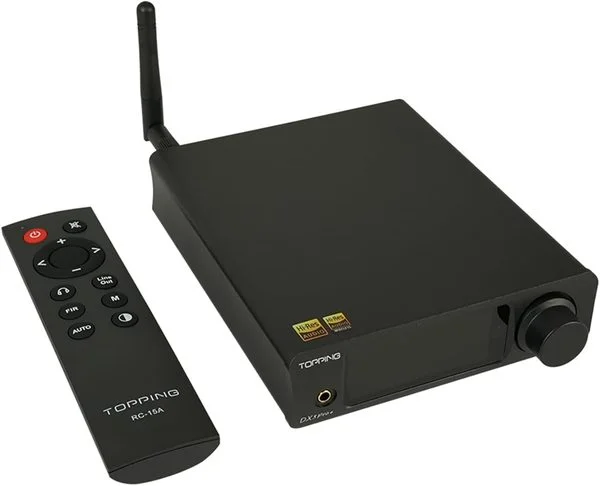
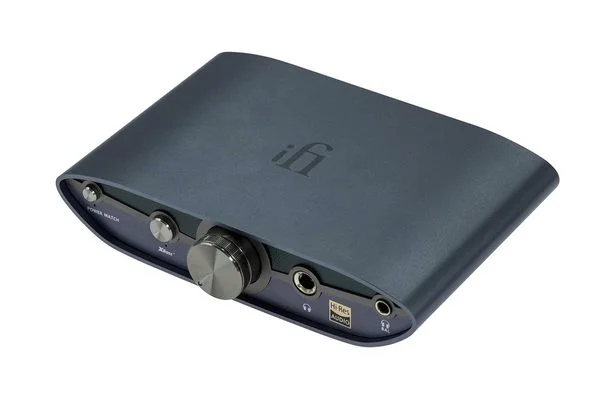
The iFi Zen DAC 3 and Topping DX3 Pro+ were cross-shopped for years as the two obvious all-in-ones in the mid-$100s. In 2026 the picture is different: the Zen DAC 3 is still current at about $229, while retailers are listing the DX3 Pro+ as discontinued and Topping has moved its one-box pick up to the DX5 II.
Quick Verdict
- Buy the iFi Zen DAC 3 if your only source is a computer, you use IEMs or headphones with a 4.4mm balanced cable, and you like a warmer, softer-edged presentation.
- Buy the Topping DX3 Pro+ only if you find leftover stock at a clear discount and your headphones are easy to drive. Don’t plan a new setup around a model that is being phased out.
- Neither: buy the Topping DX5 II if you want the DX3 Pro+ feature set (Bluetooth LDAC, several inputs, remote) with far more power and a balanced output.
Current USB-C DAC/amp with a 4.4mm balanced output; the simple choice for a computer-only desk.
The DX3 Pro+ replacement: Bluetooth LDAC, multiple inputs, remote and about 6.4 W balanced into 32Ω.
Specs Comparison
| iFi Zen DAC 3 | Topping DX3 Pro+ | Topping DX5 II (current) | |
|---|---|---|---|
| Status (Oct 2026) | Current | Being phased out | Current |
| Price | ~$229 | Leftover stock only | ~$299 |
| DAC chip | Burr-Brown (TI) | ESS ES9038Q2M | 2× ESS ES9039Q2M |
| Headphone outputs | 6.35mm SE + 4.4mm balanced | 6.35mm SE only | SE + balanced |
| Rated power (32Ω) | Up to ~390mW | ~1.8W SE | ~6.4W balanced, ~2.2W SE |
| Line outputs | RCA + 4.4mm balanced | RCA | Yes |
| Digital inputs | USB-C only | USB, optical, coaxial | USB, optical, coaxial |
| Bluetooth | None | 5.0 (LDAC, aptX HD, AAC) | Yes |
| Remote control | No | Yes | Yes |
| Gain | PowerMatch button | 2 steps (+6 / +19 dB) | Yes |
Power figures are the manufacturers’ published ratings as reproduced by retailers, not our measurements.
DAC Character: Burr-Brown vs ESS
The DX3 Pro+ uses the ESS ES9038Q2M. Published measurements for ESS-based Topping units are typically excellent, and owners tend to describe the sound as clean and precise, sometimes a little bright with already-bright headphones.
The Zen DAC 3 uses a Burr-Brown (Texas Instruments) chip. Owner reports on r/headphones and Head-Fi consistently describe iFi’s tuning as warmer and smoother in the treble. At the measured noise and distortion levels of both units, how much of that is audible is debated; if you’ve found ESS gear fatiguing, the Zen DAC 3 is the one to try.
The Balanced Output Advantage (Zen DAC 3)
The Zen DAC 3 has a 4.4mm Pentaconn balanced headphone jack next to the 6.35mm single-ended one, plus a 4.4mm balanced line out for feeding an external amp. If your IEMs or headphones take a 4.4mm cable, that gives you:
- More output voltage than the single-ended jack
- Lower noise for sensitive IEMs
- A path to a balanced amp later without replacing the DAC
The DX3 Pro+ has only a 6.35mm single-ended jack and RCA line out.
Connectivity: DX3 Pro+ (and DX5 II) Win
The Zen DAC 3 accepts USB-C audio only. If you switch between a computer, a TV and a phone, it can’t follow you.
The DX3 Pro+ accepts USB, optical, coaxial and Bluetooth LDAC, and comes with a remote for volume and input switching. The DX5 II keeps that feature set, which is why it is the like-for-like replacement rather than the Zen DAC 3.
Power
On paper the DX3 Pro+ is stronger single-ended: Topping rates it at about 1.8W into 32Ω and roughly 250mW into 300Ω (one listing quotes 160mW at 300Ω). The Zen DAC 3 tops out around 390mW, best from the balanced jack with PowerMatch on.
For IEMs and headphones under about 80Ω, both have plenty. For 300Ω Sennheisers or hungry planars like the HiFiMAN Sundara, neither is the best tool in 2026: the DX5 II has several times the power of either. See the best amp for the HD 600 and best amp for the Sundara guides for headphone-specific picks.
Which to Buy
Buy the iFi Zen DAC 3 if:
- Your only source is a computer
- You have IEMs or headphones with 4.4mm balanced cables
- You prefer a warmer, smoother presentation
- You want a single USB-C cable for power and audio
Skip the DX3 Pro+ and buy the Topping DX5 II if:
- You need Bluetooth LDAC from a phone
- You have several sources (PC, TV, console)
- You want a remote control
- You drive 300Ω dynamics or planars and want real headroom